Film Photography for Product Brands | On Grain, Stillness, and the Beauty of Imperfection
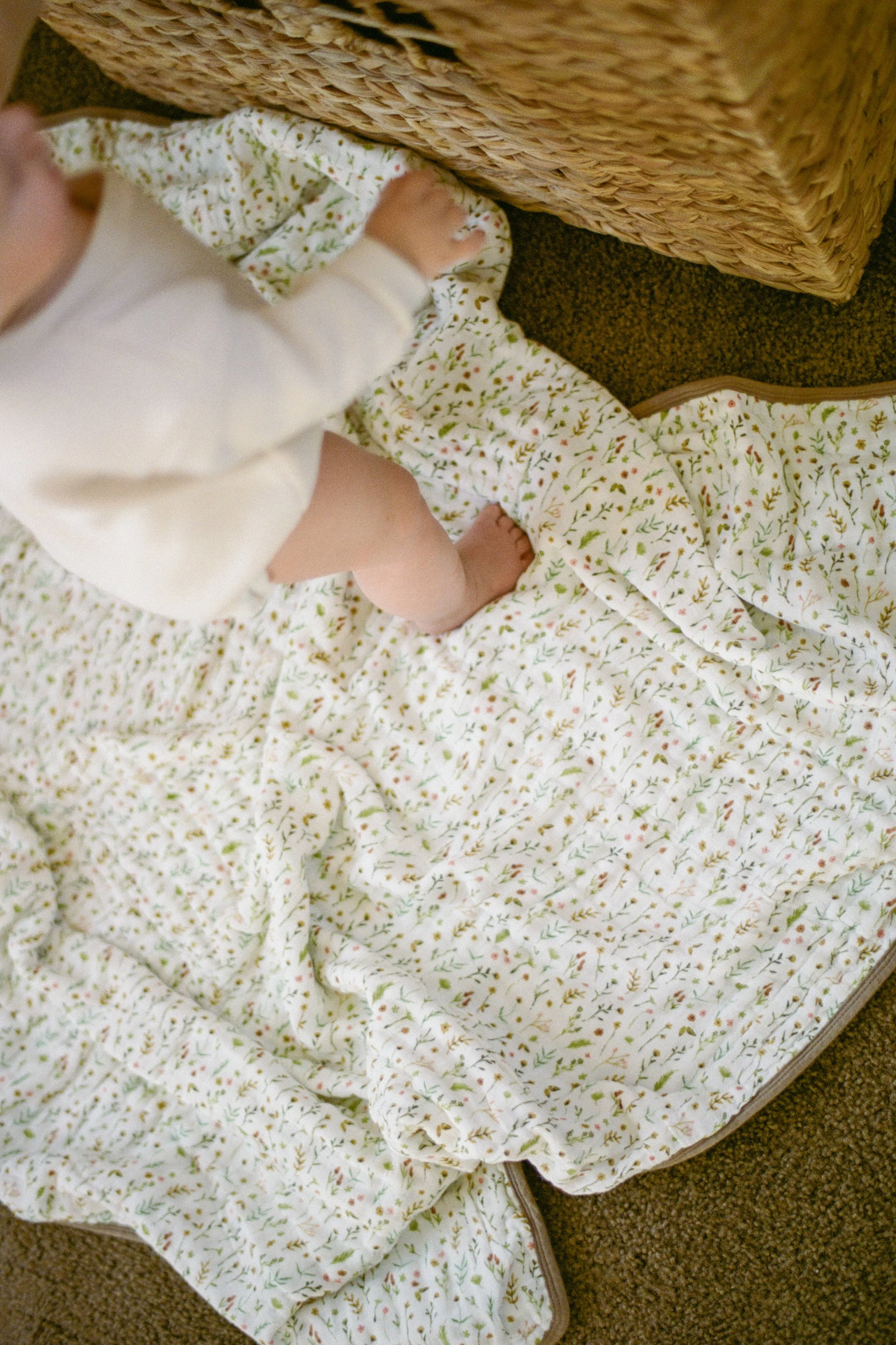
Film photography's imperfection, grain, and occasional soft blur are exactly why it works for product brands right now. In a world saturated with overly curated and AI-generated imagery, film's honest, memory-like quality creates instant emotional connection, something perfectly smooth digital or AI images often fail to do.
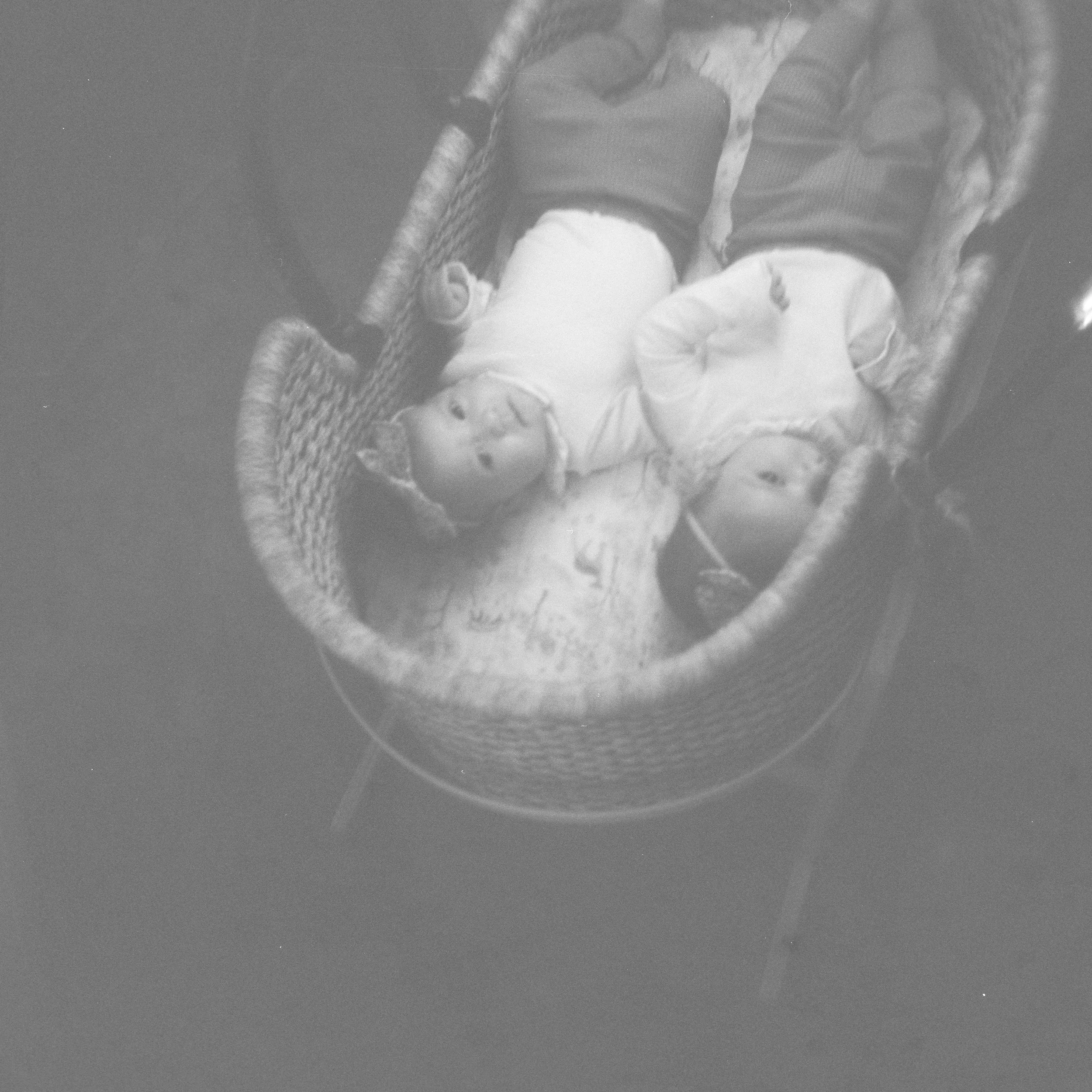
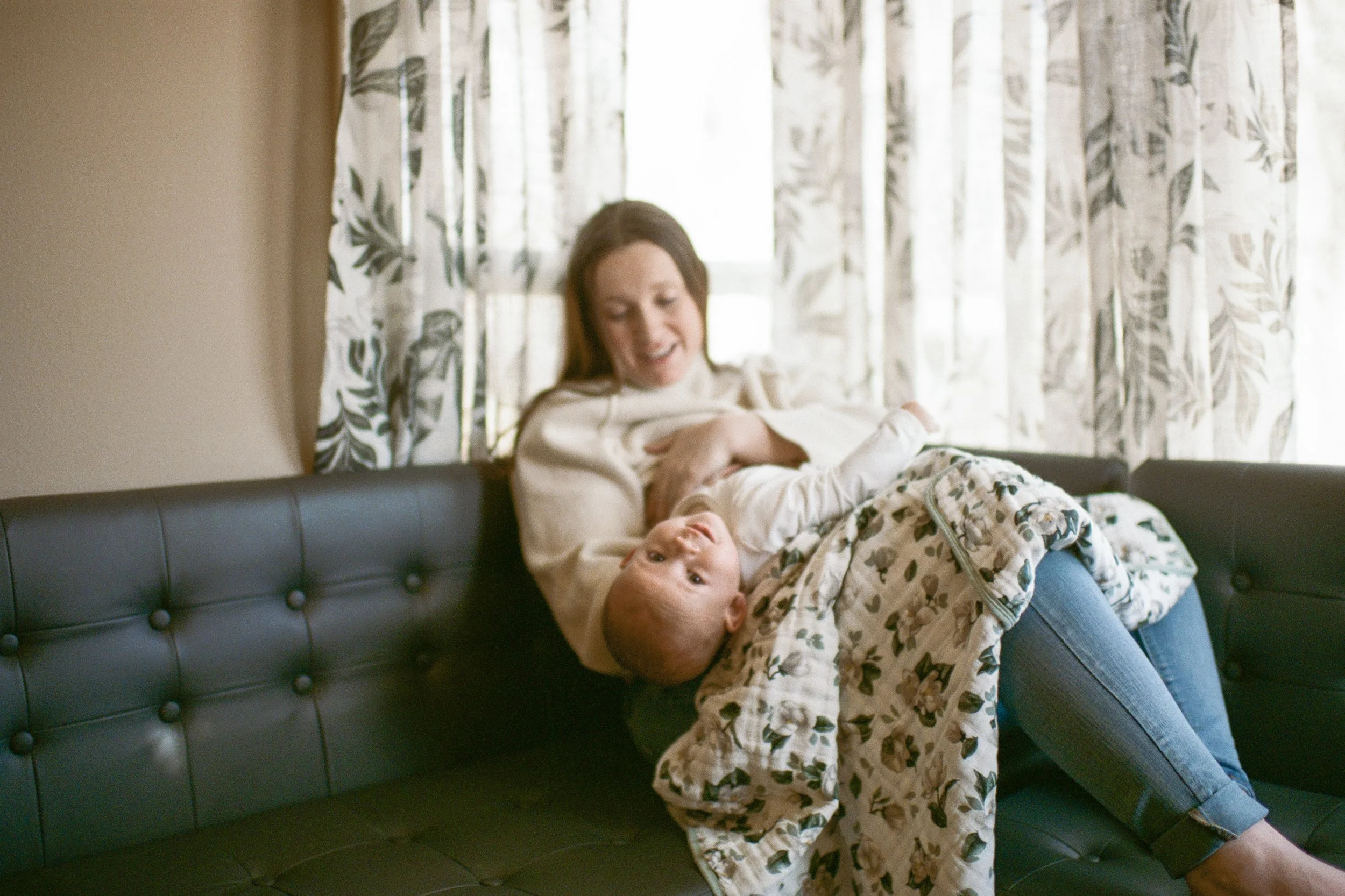
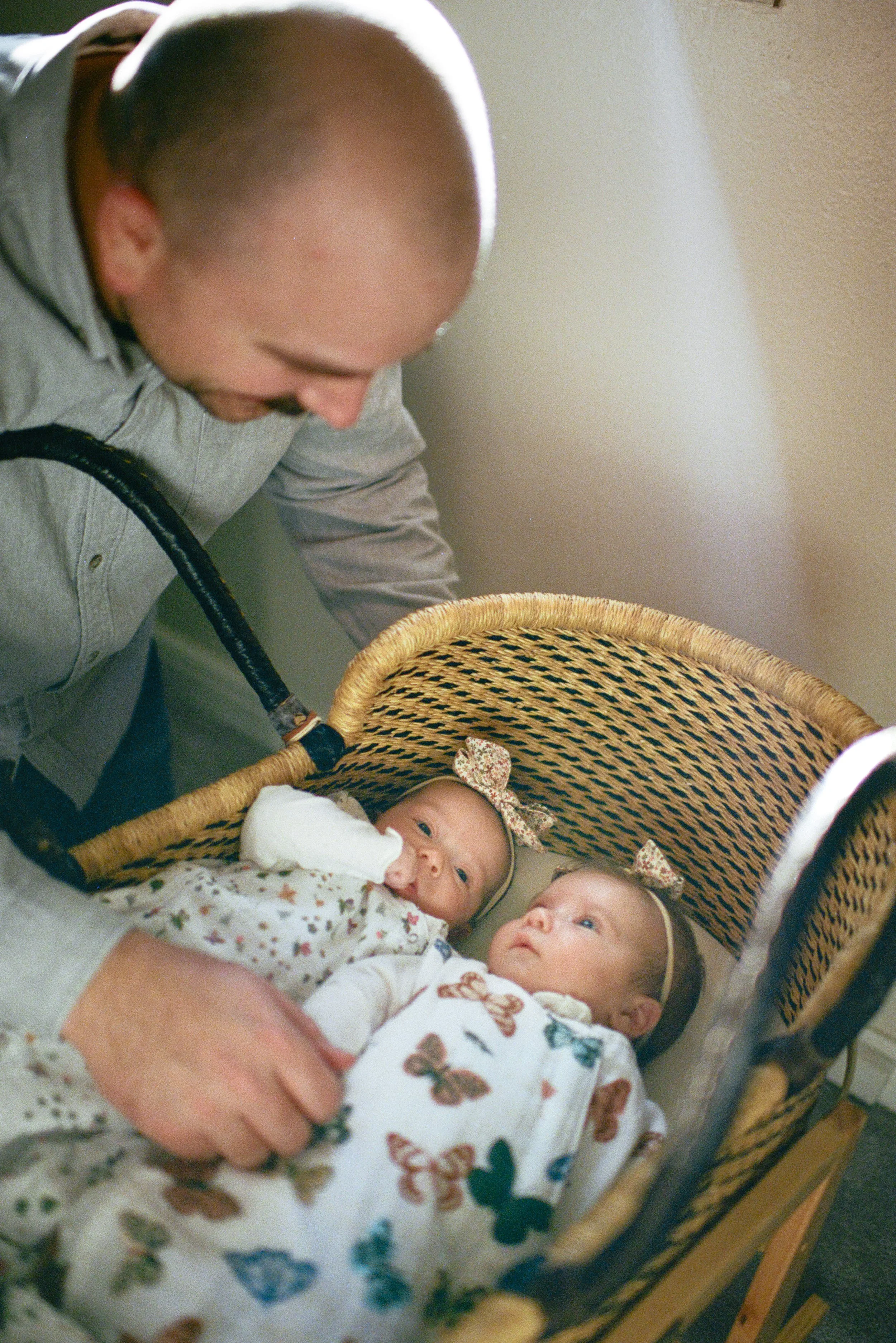
Film photography isn't perfect, and that's exactly the point. It has grain. It sometimes blurs. It renders color in a way that no digital preset quite replicates. And in a moment when so much of what we see online is engineered to look flawless, that imperfection is becoming one of the most valuable things a brand can put in front of a customer.
Why Imperfection Reads as Trust
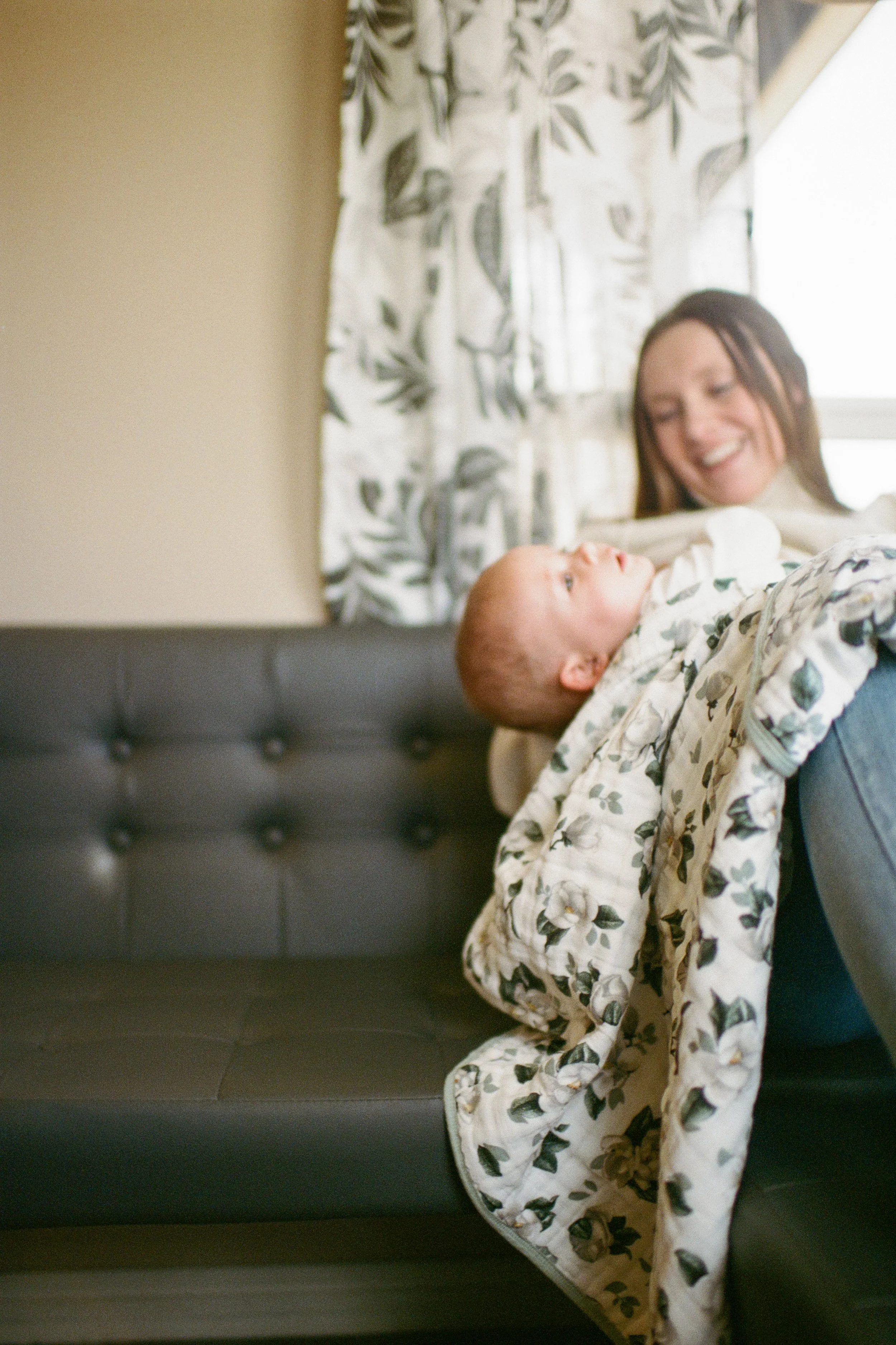
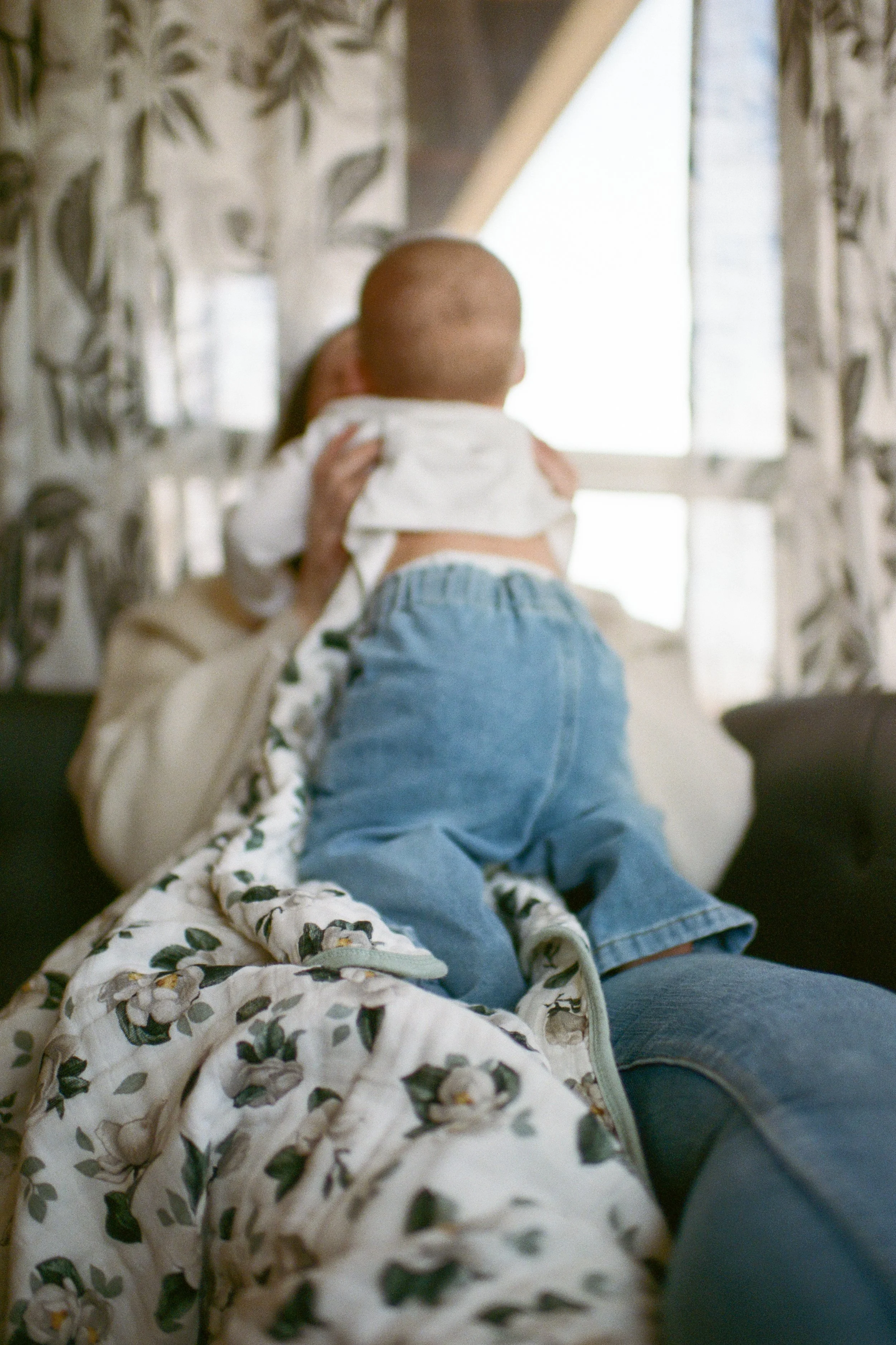
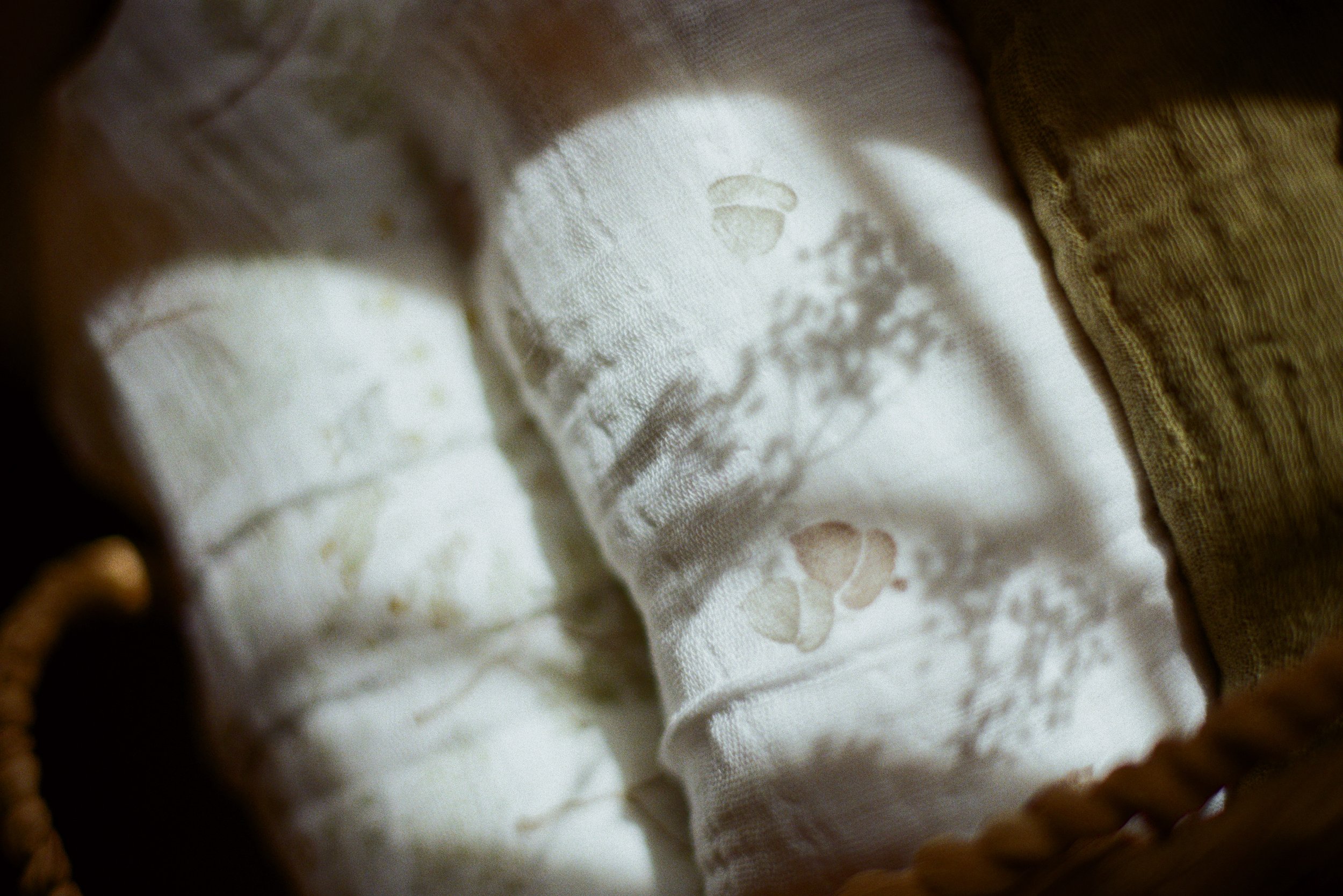
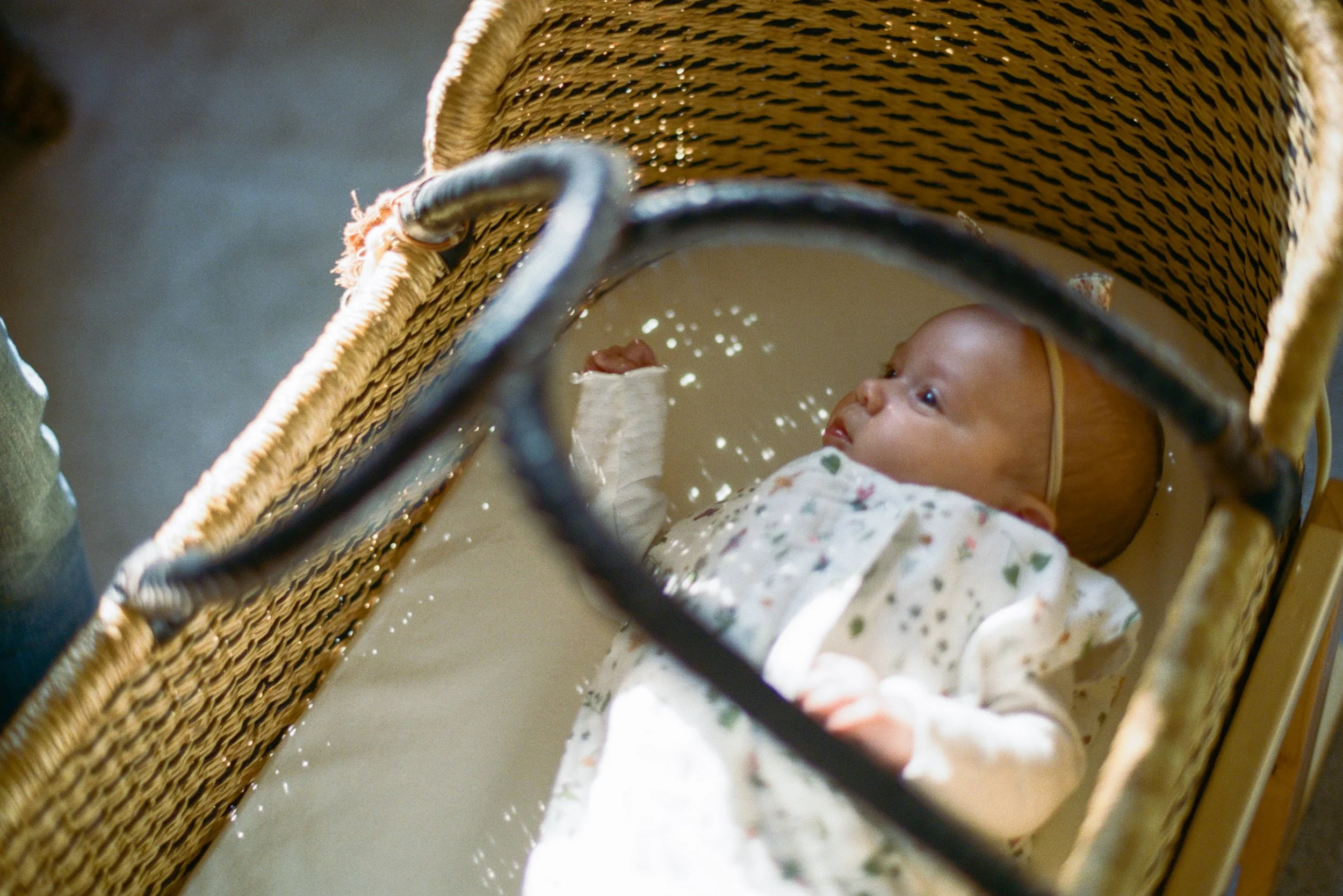
There's something about film that feels less like a photograph and more like a memory. The soft grain, the way light sometimes flares or a frame goes just slightly out of focus — none of it looks manufactured. It looks like something that actually happened, in a moment that couldn't be perfectly staged or endlessly retouched. That's an instant connection point for a viewer, because it doesn't ask to be trusted. It just feels true.
This matters more than ever in a world increasingly filled with AI-generated imagery. AI images are often technically flawless — perfect lighting, perfect symmetry, not a single imperfection in sight — and that flawlessness is starting to work against them. People are getting better at sensing when something isn't real, even if they can't articulate why. Film photography sits at the opposite end of that spectrum entirely. It can't be generated. It has to be lived, shot, and developed, and every frame carries the small, human evidence of that process.
What Film Actually Adds to Product Photography
For a product brand, this isn't just an aesthetic preference — it's a functional advantage:
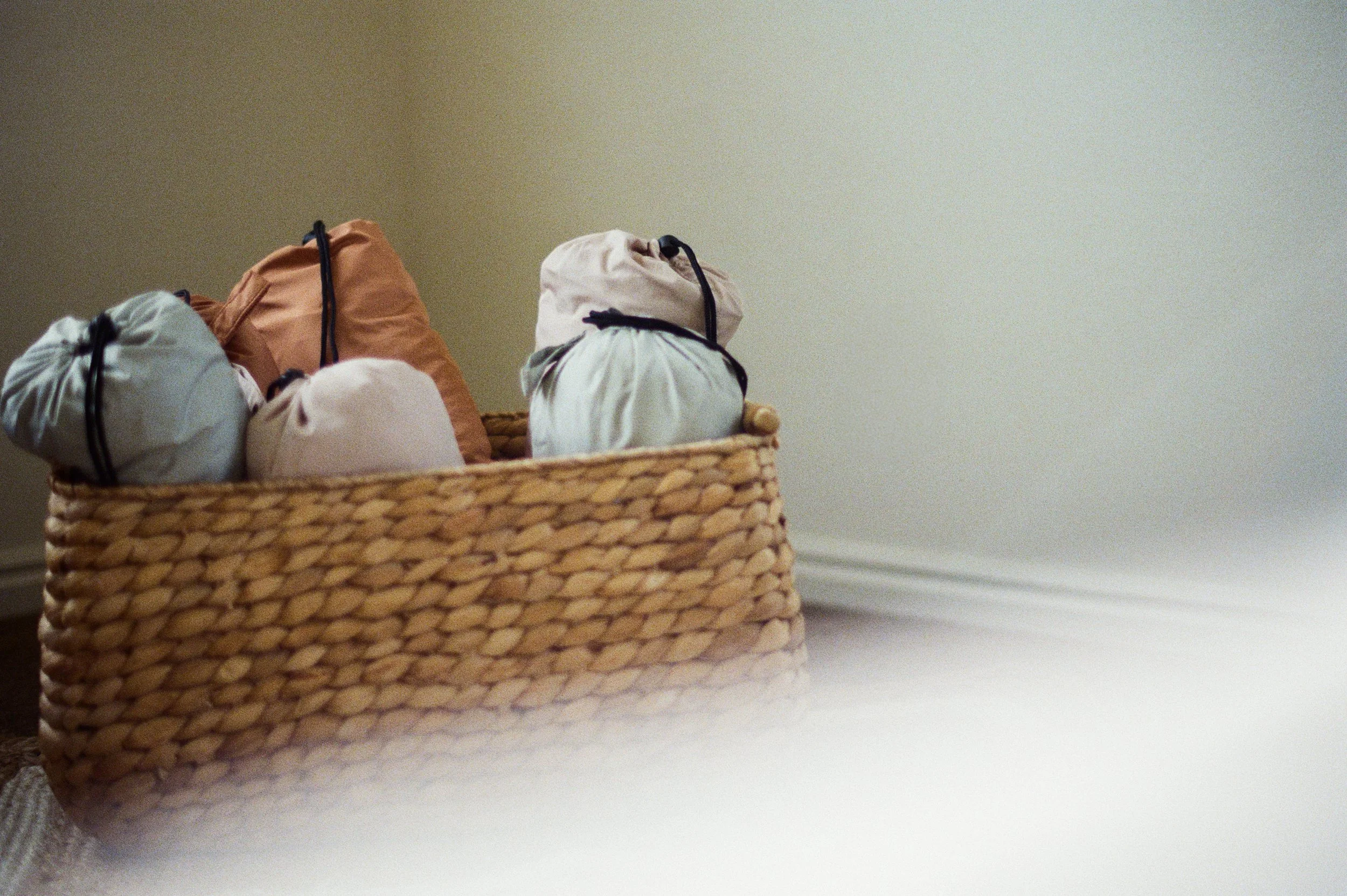
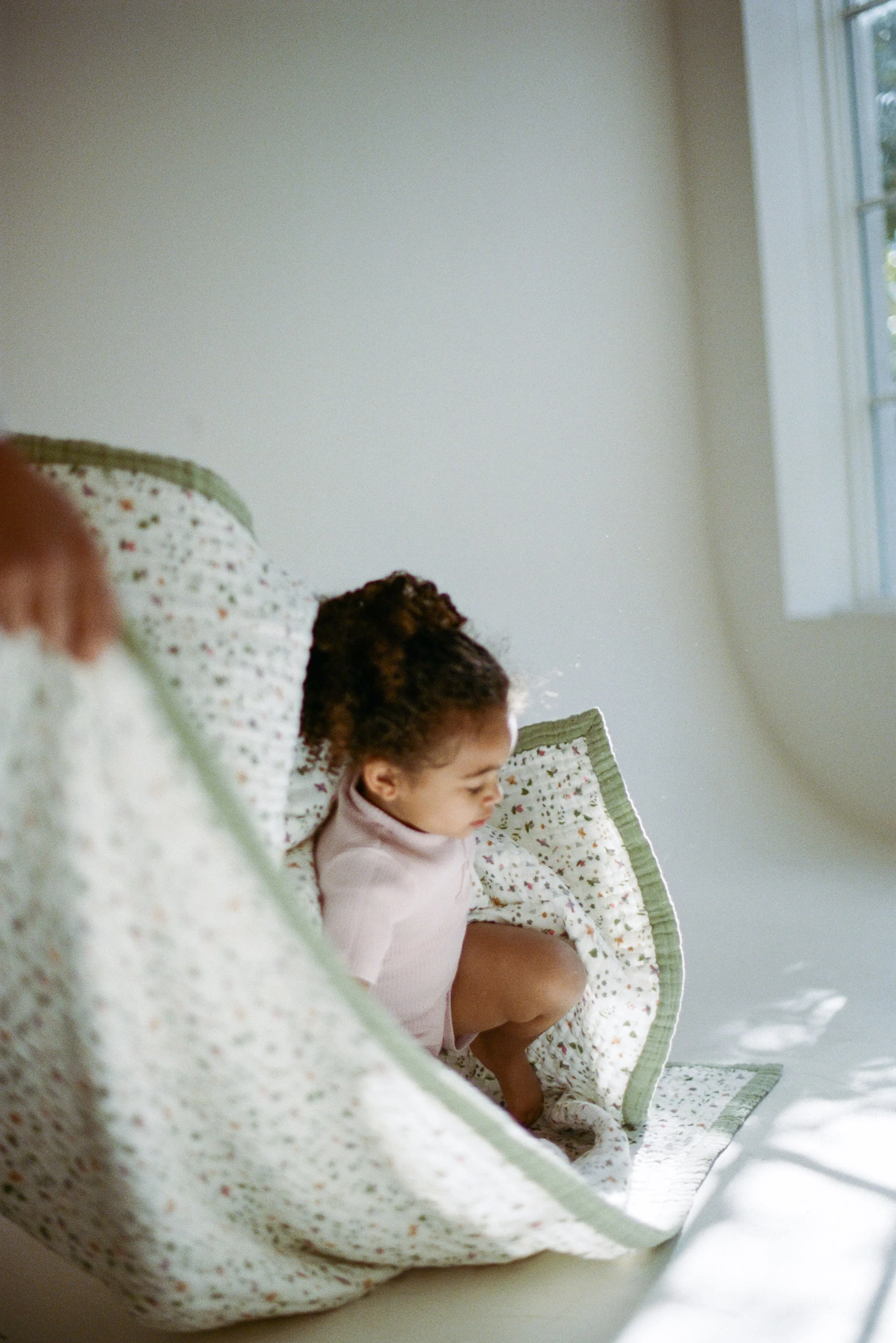
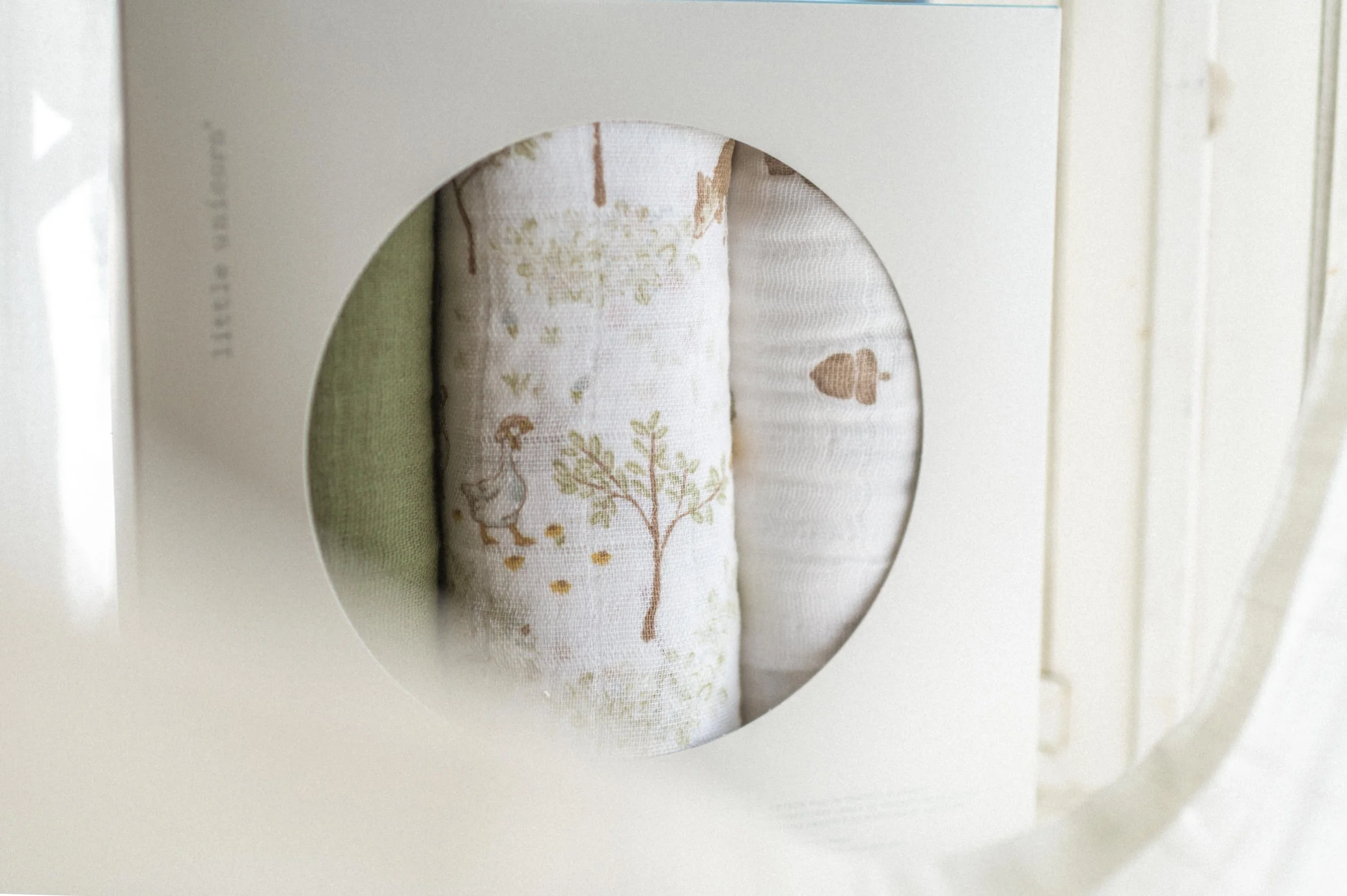
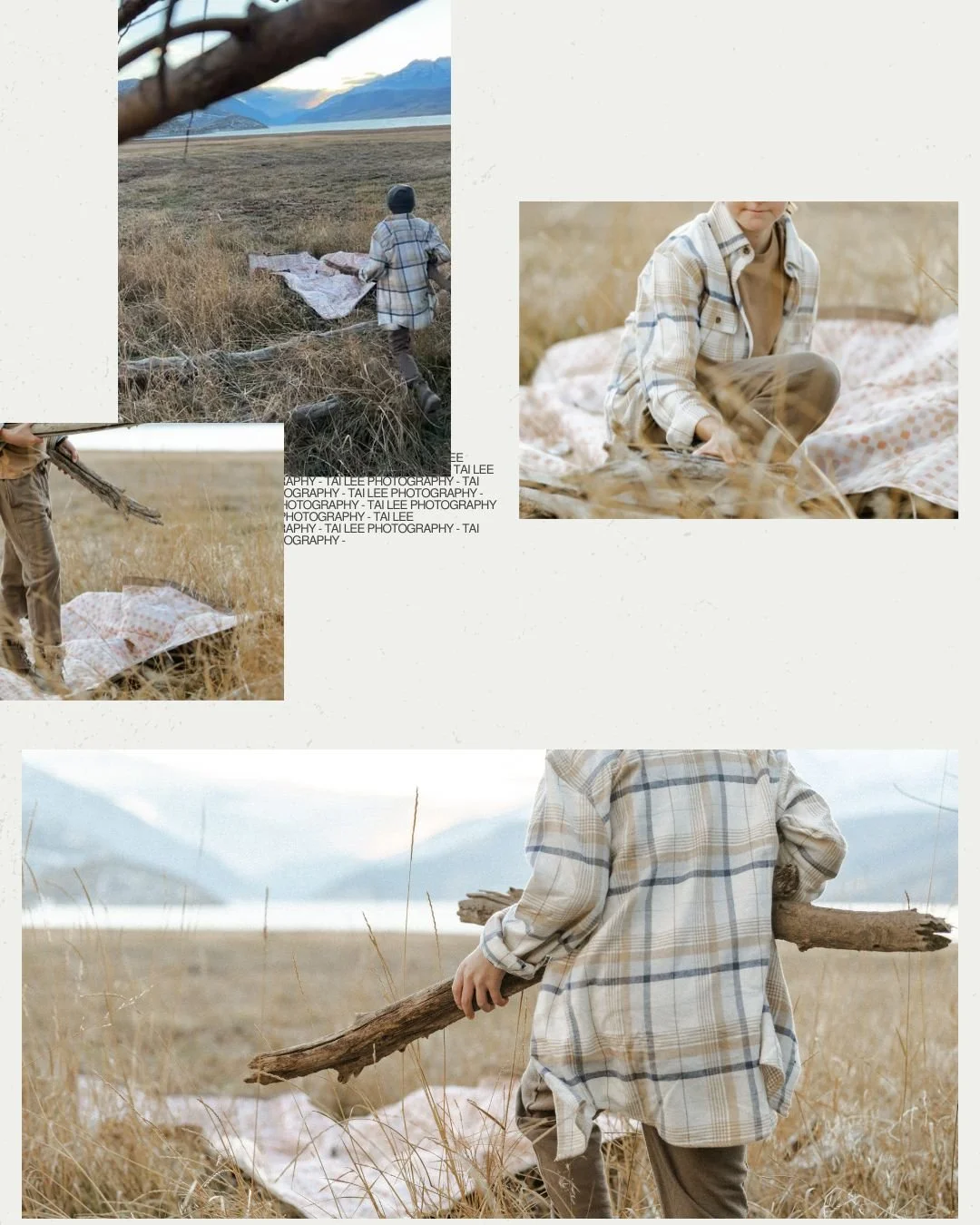
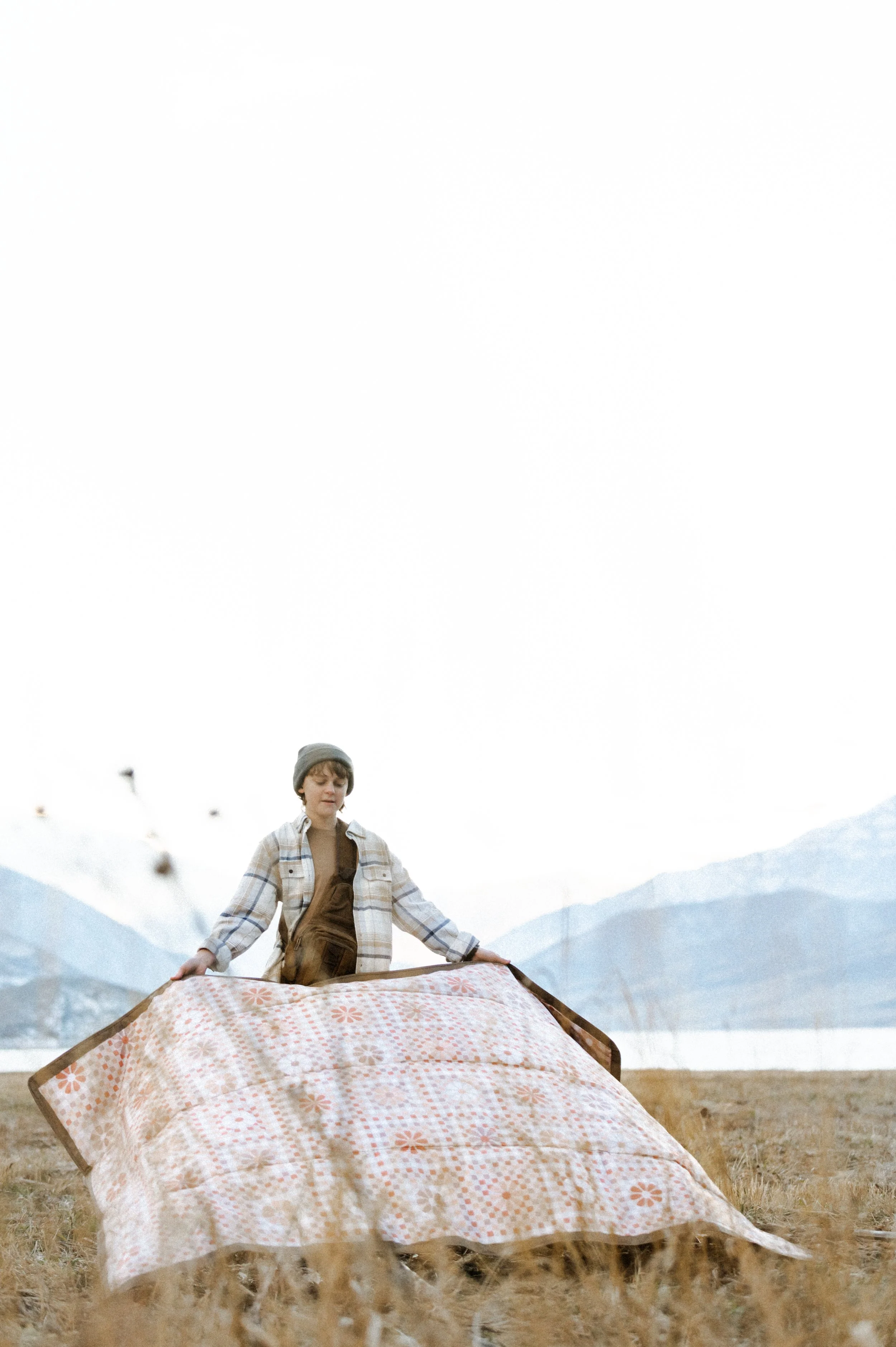
The colors are genuinely different. Film renders tone and color in a way that digital sensors and editing presets consistently fail to fully replicate, giving product imagery a warmth and depth that feels distinct rather than filtered.
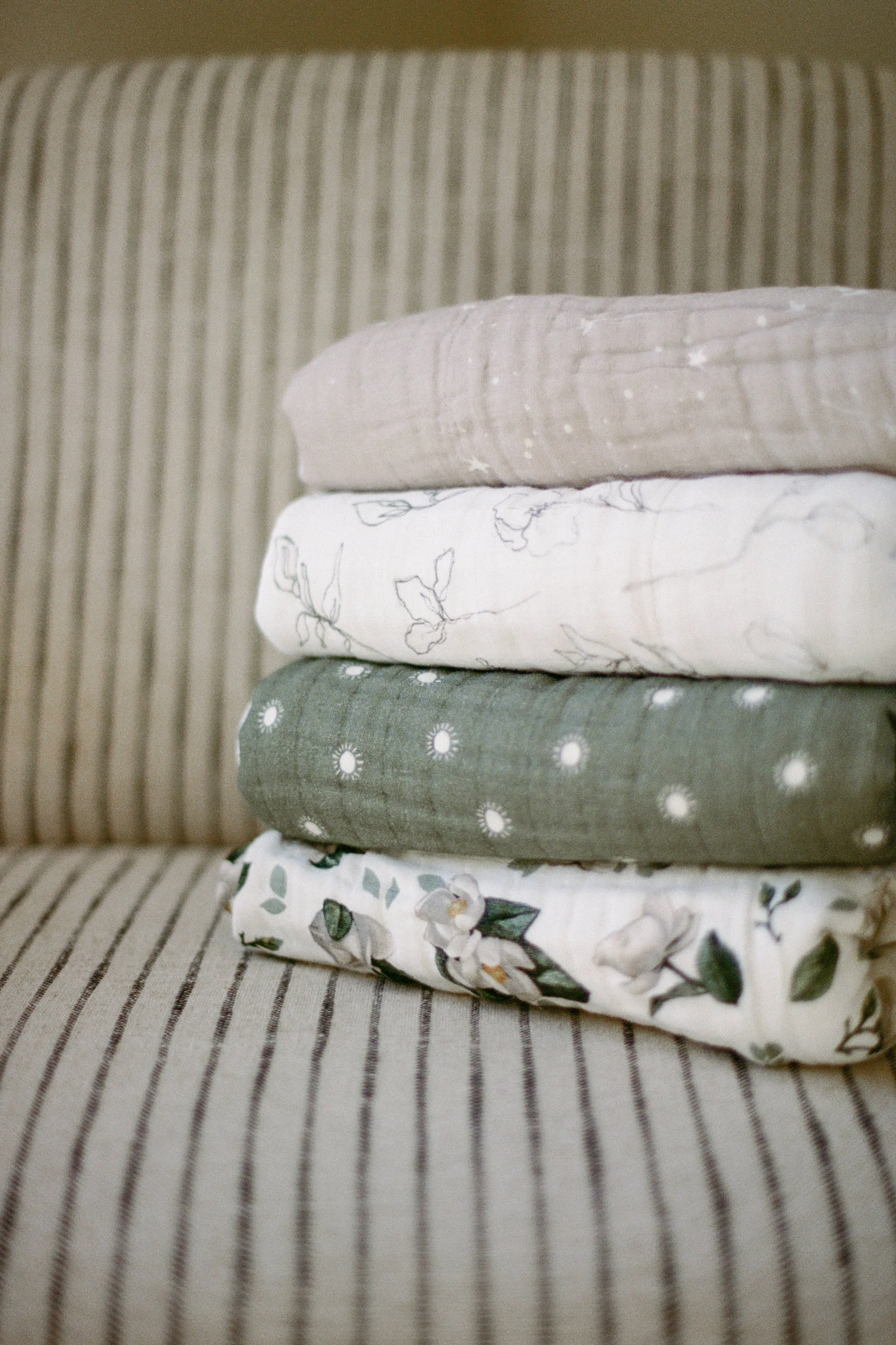
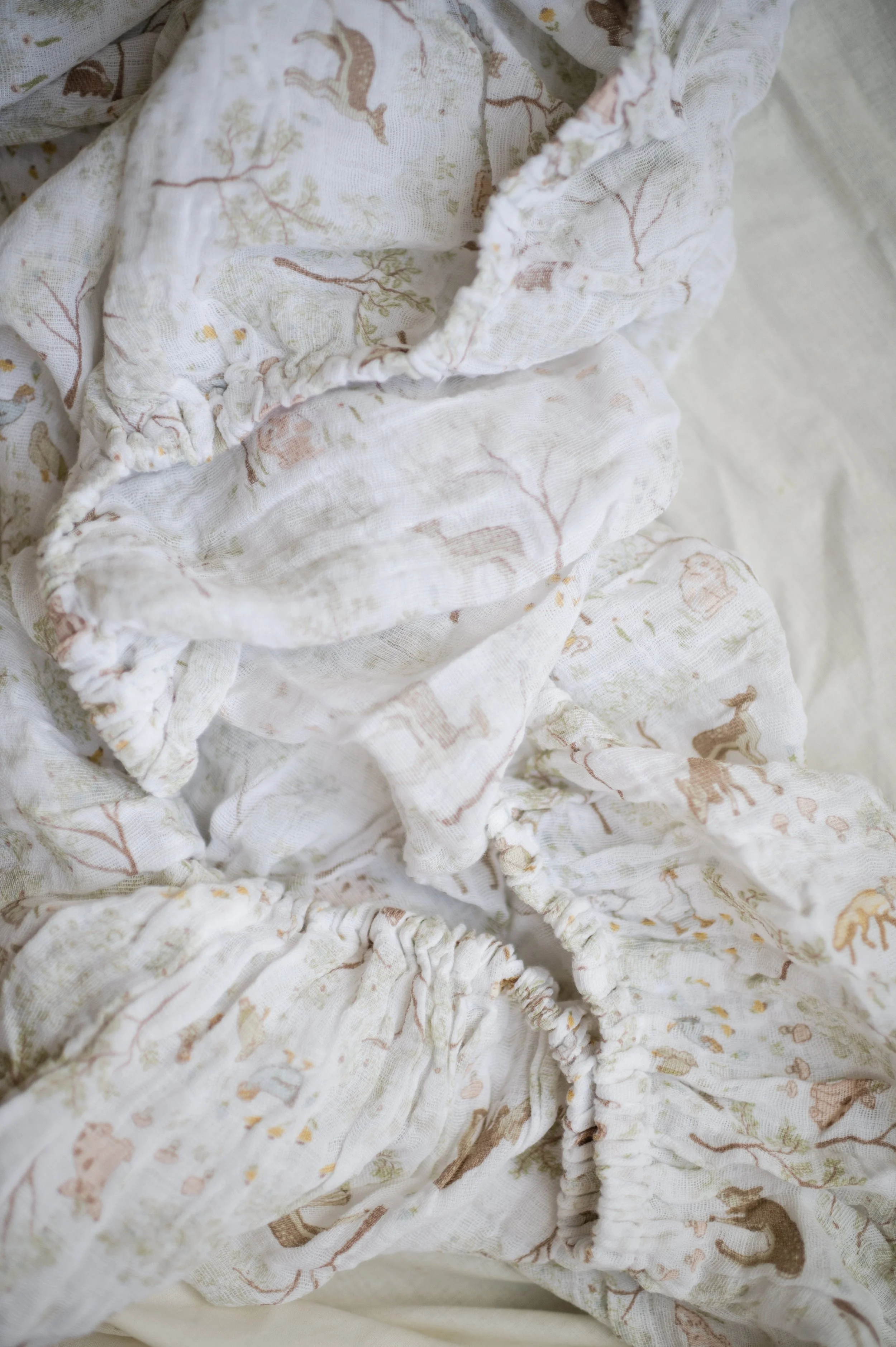
Grain adds texture without adding clutter. A little visual noise in the frame gives an image a tactile, physical quality, which pairs especially well with products that are themselves about texture and touch.
It slows the eye down. In a feed full of crisp, polished, identical-looking content, an image with a bit of grain and imperfection reads as different — and different is what earns a second look.
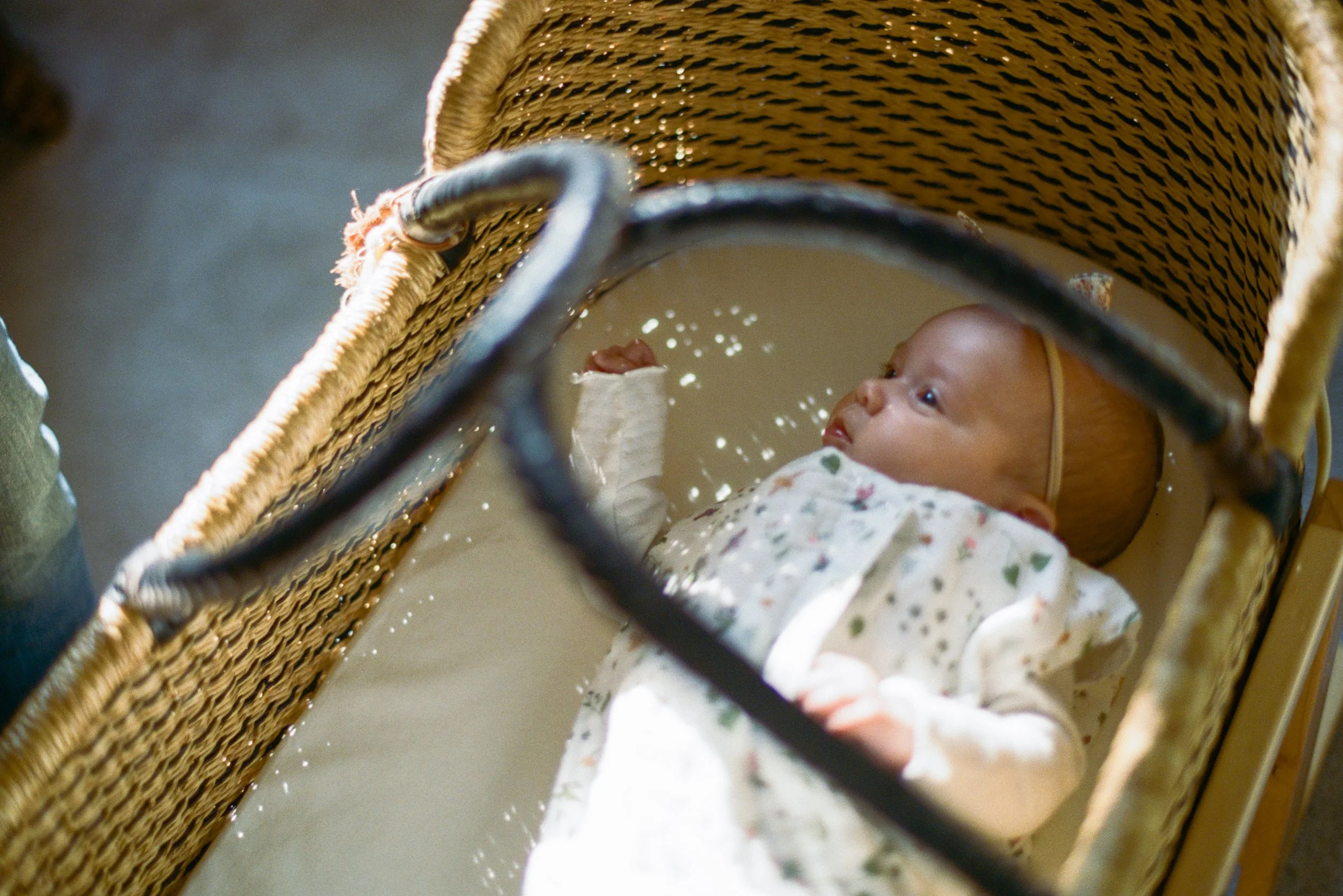
It feels nostalgic without trying to. Film has an inherent connection to memory, which makes product photography feel less like an advertisement and more like a moment worth remembering.
A Note on Black and White
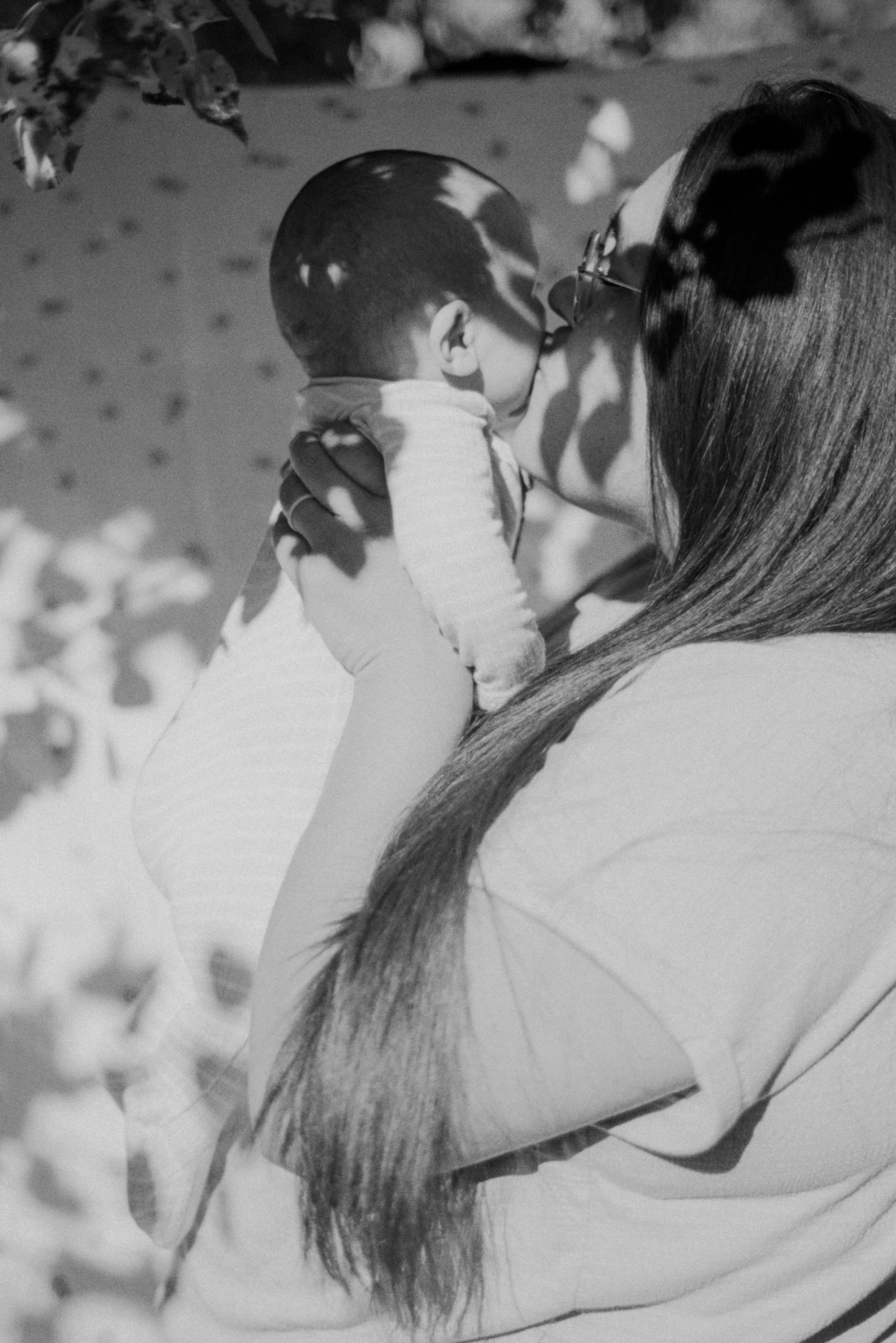
Film also opens the door to black and white photography, which brings its own distinct value to a brand's imagery — enough value, in fact, that it deserves its own dedicated post. For now, it's worth saying simply that removing color doesn't remove emotion; often, it sharpens it.
Film photography can be added to any product or brand shoot as an option, alongside standard digital images and video b-roll. And if it's easier to ship products than coordinate an in-person session, that's always available too.
FAQ
Can film photography be added to any product shoot, or is it a separate service? It can be added as an option to most shoots. A brand doesn't have to choose exclusively between film and digital — the two can work together to give a fuller, more textured final set of images.
Isn't film photography less practical for e-commerce or fast-turnaround content? Film does take longer to develop than digital, so it's not the right fit for every deadline. But for brand storytelling, social content, or a signature set of images meant to stand out, the extra time is often worth it.
Why does film feel different from a digital photo edited to look vintage? A digital filter can mimic some of film's visual qualities, but it can't replicate the actual chemical and optical process that creates film's grain, color rendering, and imperfection. The difference is subtle, but people tend to feel it even if they can't name it.
Do you shoot film for product brands specifically, or mostly personal work? Film is available as part of my commercial and brand photography work, specifically for brands who want their imagery to feel less manufactured and more genuinely memorable.
Ready to see what a little imperfection could do for your brand's imagery?
Browse more brand photography sessions on the blog.
Ready to elevate your brand photography in a way that connects your customers to the product in a way that converts?

































View more artistically approached brand and product photography sessions below…





© 2007 Tai Lee Photography - Salt Lake City, Utah professional product photographer